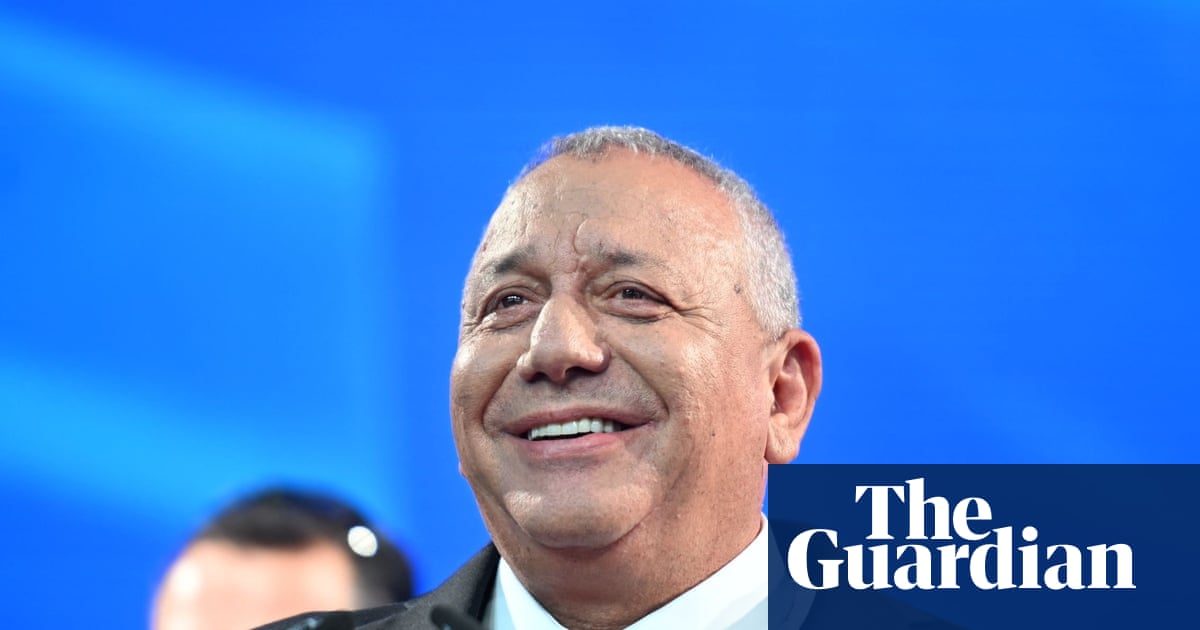
Eisenkot faces significant challenges on the road to becoming prime minister. He has three options: a power-sharing agreement with Netanyahu, support from Arab-led parties – something several members of his bloc do not support – or an agreement with the ultra-Orthodox parties, which demand military exemptions for their community.
Eisenkot has laid out a series of conditions for any Arab party to join his coalition, including recognition of Israel as a Jewish state and declaring the Palestinian militant group Hamas a terrorist organisation. One of Eisenkot’s partners, the more conservative Yisrael Beiteinu party, already has said it will not join a coalition with Arab-led parties.
I saw a market on Kalshi that had almost the same language that somehow was 95% for Eizenkot several weeks ago. Something about the difference between becoming Prime Minister vs forming a government.
This was probably predictable as Eisenkot is more likely to succeed in forming government, but still it's unclear whether the differences preventing coalition with Arab parties are solvable (see quote in my comment).
 Log in





I don't get why this market isn't moving:
https://polymarket.com/event/who-will-be-the-next-prime-minister-of-israel-after-the-next-election
Sometime there are weird gotchas in the market rules.
Worse on Kalshi: https://kalshi.com/markets/kxisraelpm/who-will-be-the-prime-minister-of-israel-after-their-election/kxisraelpm-26oct27
I saw a market on Kalshi that had almost the same language that somehow was 95% for Eizenkot several weeks ago. Something about the difference between becoming Prime Minister vs forming a government.
This was probably predictable as Eisenkot is more likely to succeed in forming government, but still it's unclear whether the differences preventing coalition with Arab parties are solvable (see quote in my comment).
Is the market based in some West Asian nation of people with tiny hats?